Skip to content

Injection Molding / Injection Molding Materials / TPU

Material

TPU (Thermoplastic Polyurethane): flexible and impact-resistant

TPU offers high wear resistance, elasticity, and chemical resistance. Used for shoe soles, protective covers, and industrial applications.
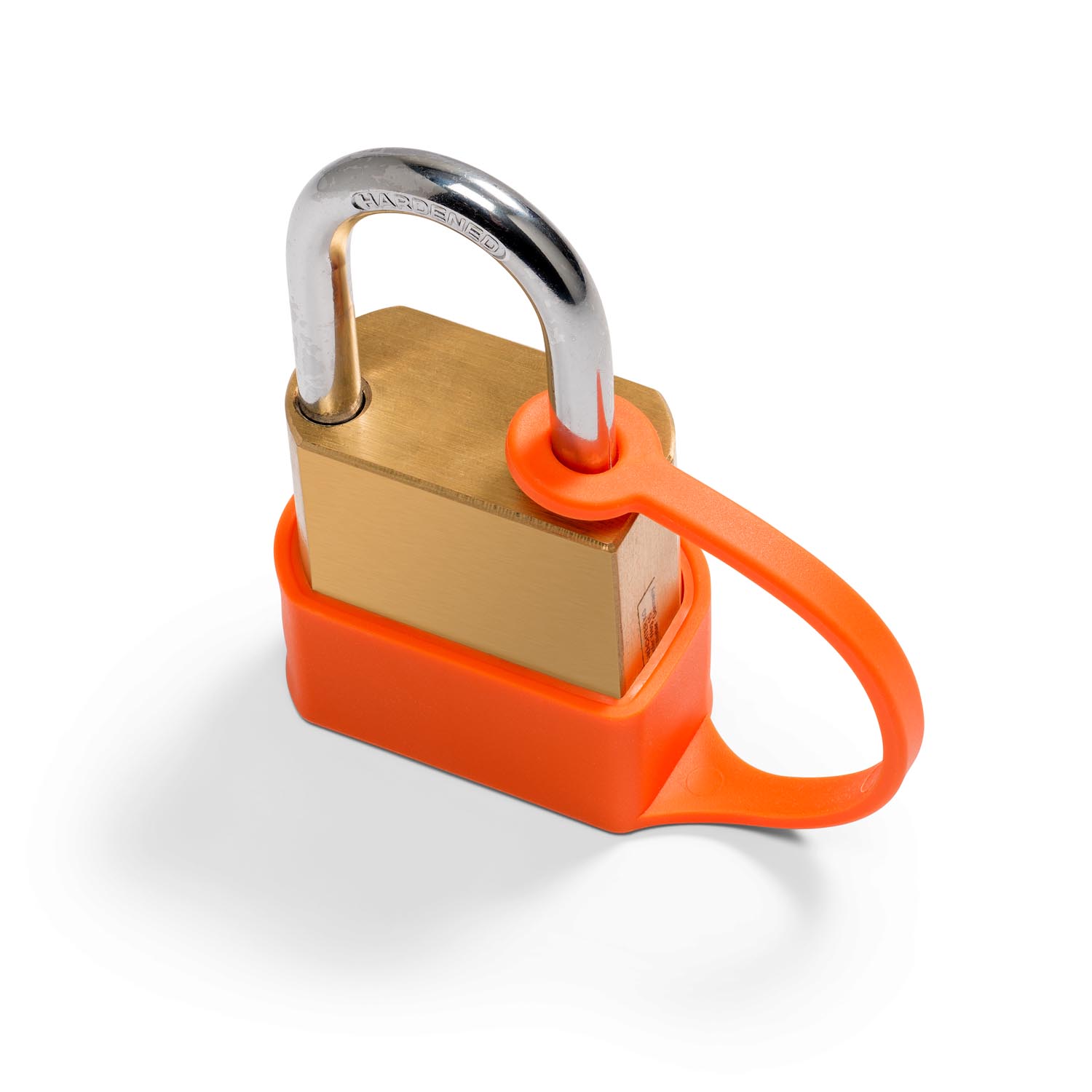
Example of an injection molded plastic part, QDP product photography

Key Properties

  • High elasticity and flexibility, with rubber-like properties.
  • Excellent wear resistance, withstands intensive use.
  • Very high impact resistance, even at low temperatures.
  • High tensile and tear strength, ideal for dynamically loaded parts.
  • Weather and UV resistant, suitable for outdoor applications.

Mechanical properties (guideline values)

PropertyValue
Density1.10-1.22 g/cm³
Tensile strength25-55 MPa
E-modulus (tensile)10-700* MPa
Elongation at break400-700%
HDT @1.8 MPan/a °C
Shrinkage0,8-1,5%
Processing temperature200-230 °C

Guideline values for standard, unfilled grades. For a definitive material selection, always consult the supplier's datasheet (TDS) for the specific grade.

Applications

  • Automotive: hoses, seals, and flexible couplings
  • Consumer products: shoe soles and phone cases
  • Medical applications: hoses and prostheses
  • Industry: conveyor belts and flexible mechanical components

Why choose TPU?

TPU is the most wear-resistant and UV-resistant among the flexible materials in our portfolio, with a higher price than TPE. * elastomer, hardness expressed in Shore A/D.

View the full material overview or the DfM-pillar.

Frequently Asked Questions about TPU

What is TPU?

TPU is thermoplastic polyurethane, the strongest of the rubber-like plastics. It combines elasticity with high wear resistance and tear strength, and it is highly resistant to oils and greases. Because of this, it holds up where regular rubber or a softer elastomer gives out. You'll find it in shoe soles, protective covers, and heavy-duty industrial parts. QDP chooses TPU where wear or oil resistance is the critical factor for the part.

What is the difference between TPU and TPE?

TPU is a specific type within the TPE family. It is stronger, more wear-resistant, and better resistant to oil and fuel, but it is also more expensive and generally harder, so less suitable if you're looking for a soft, pleasant grip. For a seal or a handle, a regular TPE grade often suffices; for a part that scrapes, bends, and is exposed to oil, TPU is the right choice. QDP chooses based on the most critical requirement of the part.

What is the difference between ester-based and ether-based TPU?

That difference is bigger than the names suggest. Polyester-based TPU is mechanically a bit stronger and better resistant to oil, but it hydrolyzes: in warm, humid, and especially alkaline water, it breaks down over time. Polyether-based TPU resists moisture and hot water much better and stays more flexible in the cold. If the product comes into contact with hot water or cleaning agents, ether-based is the minimum. QDP records this choice in the part specification.

Can you mold TPU over a hard part?

Yes, this works the same as with TPE via overmolding or two-component injection molding. Adhesion depends on the combination with the hard plastic beneath, and not every combination is equally strong, so this is pre-tested. Since TPU is harder and stronger than most TPE types, it is chosen when the soft layer also needs to bear load or withstand abrasion. QDP tests adhesion on a sample before designing the mold for it.

What is TPU used for?

For parts that bend, rub, and still must remain intact: shoe soles, protective covers and bumpers for equipment, cable jackets and strain reliefs, rollers and wheels, couplings and vibration dampers, and hoses under pressure. In industry, it is often used where rubber was previously applied. It is often the successor to a rubber component that wore out too quickly. QDP uses TPU where wear or oil resistance is decisive.

What does this mean for your design?

Calculate your mold and unit price in 2 minutes, or ask our engineers for a DfM check.

500+ manufacturing companies in the Netherlands, Belgium and Germany chose QDP

PhilipsAkzoNobelVan RaamMobilaneVan GelovenDeVi-GroupGIZMO DesignWaste VisionPure ValueHoeflakeSenza TeaPin-LockSparqDamtechProtee UnitedLayherHulshof
Calculate your price