Product development
From idea to a product that is manufacturable the first time
Industrial design, engineering and DfM under one roof, with the mold in mind from the very first sketch.
What is product development
From first idea to production-ready design
Product development is the process in which an idea grows step by step into a production-ready product: from concept and industrial design, through engineering and material selection, to a design that is manufacturable and ready for the mold. QDP (Duiven, the Netherlands, founded 1998) does this for plastic products in one integrated chain, from design to series production in house.
The difference is in the order. We design with production already built in: we think in molds from the first sketch, so a design does not turn out to be unmanufacturable or too expensive once it reaches the production line. The result is a product that is right the first time, faster to market and at a lower product cost.
The process
From idea to production in six steps
Product analysis
We map out your goals, requirements, operating conditions and budget, and where the risks are.
Product design
Concept and industrial design, with manufacturability built in from the first sketch.
Product engineering
Strength calculations, material selection based on practical testing, and mold flow analysis, before any steel is cut.
Prototyping and validation
Functional prototypes, so you hold the product in your hands and we test the choices before mold making starts.
Production preparation
Technical drawings, a DfM check, assembly instructions and the mold strategy (number of cavities, cycle time).
Production and scale-up
We build the mold, check the first shots for dimensions, surface, shrinkage and strength, and then run production.
What we do
All disciplines under one roof
Industrial design
The form and user experience of your product, from visualization to a concept that fits your brand and market.
Product engineering
The technical development: strength calculations, material selection and construction, until the design works and is manufacturable.
Prototyping and validation
Functional prototypes to test choices physically before mold making starts. That saves time and costly corrections.
Design for Manufacturability
Not a separate service but a way of working that runs through everything: making every design manufacturable and cost-efficient.
Want to go deeper into the design rules? Ask our engineers about the Design for Manufacturability rules of thumb they work with.
From model to image
See your product before it exists
Because we fix the CAD model, the color and the material before mold making starts, we can produce images from it right away that are accurate to a tenth of a millimeter. Not a mock-up, but exactly the part that comes out of the mold.
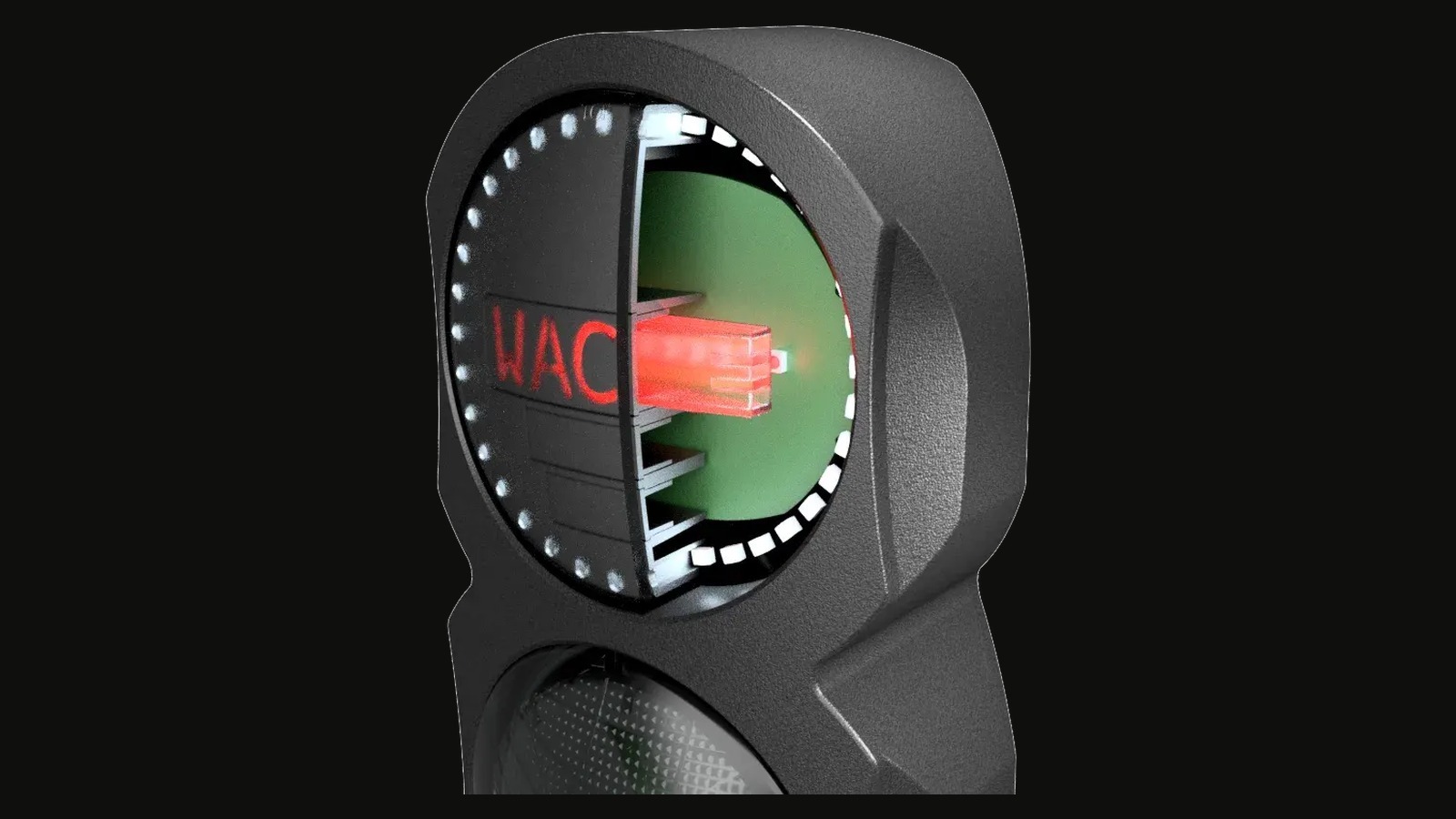
Product renders
Photorealistic images in the color and material you will actually get. On white, in a scene or in motion.
Animations
How your product opens, clicks together or is assembled. Clear in seconds, where a drawing would need a page of text.
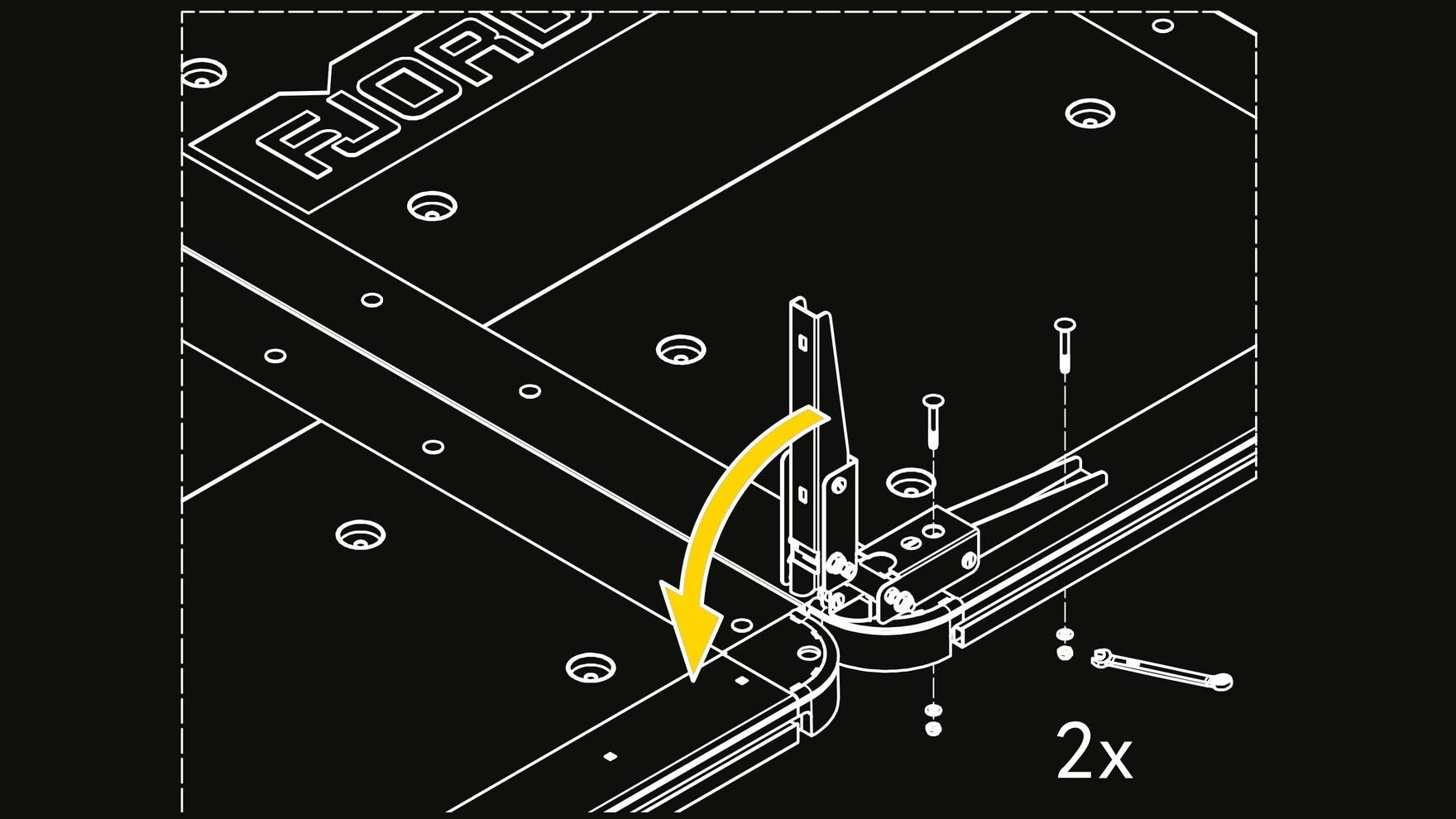
Assembly images
Exploded views and numbered steps for your manual, parts list and service documentation.
Does your marketing department work with an agency? Then we supply the clean model in the right colors, so the agency does not have to start from a raw file. Ask what is available for your product.
Under one roof
No handoffs between separate firms
In a traditional chain you go from a design agency to a mold maker to an injection molder, and each party only looks after its own part. The design turns out not to be manufacturable, the mold does not run at the cycle time you need, and you are left running back and forth between them. Under one roof that handoff pain disappears: we tackle challenges on the drawing board instead of on the production line.
No in-house design capacity
We design, you stay in control
If you have a product and a market but no design team, QDP takes product development off your hands. You get a production-ready design and a mold that is yours, with a certificate of ownership. That way you stay in control of your product without building an engineering department yourself.
What customers say
"They engage with you on everything and know how to turn ideas into reality. A very reliable partner that thinks in solutions."
 Gijs Raaijmakers
GIZMO Design, iF Design Award 2025
Gijs Raaijmakers
GIZMO Design, iF Design Award 2025
"We wanted covers that were stronger, quieter and more premium without the cost going up. QDP solved that with one universal injection-molded housing."
 Dennis Vroegindeweij
Owner, DeVi-Group
Dennis Vroegindeweij
Owner, DeVi-Group
"QDP is one of the few suppliers that can say “yes” to parts this size. Communication is very direct, which we appreciate."
 Carmen Smink
Van Geloven (McCain)
Carmen Smink
Van Geloven (McCain)
Frequently asked questions
Product development at a glance
What is product development?+
Product development is the process in which an idea grows into a production-ready product: from concept and industrial design, through engineering and material selection, to a design that is manufacturable. The goal is a product that works, fits the market and can be made at a competitive cost. At QDP this continues all the way through series production, under one roof.
What is the difference between industrial design and product engineering?+
Industrial design is about the form, use and experience of a product; engineering is about the technical development: strength, material and construction. In practice the two overlap, because a good-looking design also has to be manufacturable. At QDP designers and engineers work on one team, so the two strengthen each other instead of clashing.
How long does it take to develop a product?+
That depends on the complexity and the number of iterations, so there is no fixed figure. The design and engineering phases depend on the project, after which mold making and production follow. Where possible QDP works in parallel to save time, and we confirm the actual schedule per project based on your requirements and drawing.
What does product development cost?+
Development costs depend on the scope: engineering only on an existing design is more limited than a full process from idea to mold. On top of that comes the one-time mold investment, which starts at 3,000 euros. QDP makes the investment clear up front, so you know where you stand before any steel is cut.
Can QDP do only the design?+
Yes. If you have a product and a market but no design team of your own, QDP takes product development off your hands and delivers a production-ready design. You are not required to have QDP produce it as well, although the strength lies precisely in having design, mold and production under one roof.
Why develop and produce under one roof?+
Because every handoff between a design agency, a mold maker and an injection molder costs time and money and leads to mistakes. Under one roof, manufacturability challenges are tackled on the drawing board instead of on the production line. That gives predictable quality, shorter lead times and lower failure costs. That is the core of how QDP works.