Reduce the cost price
Take costs out of the design, not the quality
Smarter design, fewer parts, the right material and production without intermediaries: a structurally lower unit price.
Typical savings on the unit price from DfM iterations: 10 to 30 percent, for the entire lifespan of your product.
AkzoNobel Color Universe, after redesign and in-house injection molding.
Van Raam chain guard, from traditional production to injection molding.
Design, mold, and production under one roof, without margin stacking.
The cheapest euro is the euro already determined in the design. The largest part of your unit price is set before the mold runs.
That’s why a cost-down with us doesn’t start with negotiating over a few cents, but with the design itself. Not a one-time effort, but for the entire lifespan of the product.
Do you recognize this?
Your margin is under pressure, but quality must not drop
Then we take costs out of the design: smarter wall thickness, shorter cycle time and the right material, with the same or better quality.
Your product consists of too many separate parts
Then we integrate parts into one smart injection-molded part: less purchasing, less assembly, fewer failure risks.
You pay for links that add nothing
Then we cut out the intermediaries: design, mold, and production under one roof, in our own factory on energy-efficient machines.
How we do it
First measure where the unit price is, then intervene
We analyze your current product and the cost structure around it: material use, number of parts, cycle time, assembly, and the links in your chain. We expose where the unit price is unnecessarily high and how much a targeted redesign can yield, before we promise anything.
The engine behind all this is Design for Manufacturing. A product that is cleverly designed can always be made cheaper and more reliably. The difference is in the design, not on the production line.
The cheapest euro is already in the design.
A product that is cleverly designed can always be made cheaper and more reliably. The difference is in the design, not on the production line.
Four levers for a lower unit price
Together, DfM iterations typically save 10 to 30 percent on the unit price. These are the levers we use.
01 Fewer parts
Integrate separate parts or introduce a universal housing. Fewer components means less purchasing, less assembly and fewer risks of failure in the series.
02 Smarter wall thickness
A consistent, not too thick wall saves material and shortens cycle time. Often, 1.8 instead of 2.5 mm saves without loss of stiffness.
03 Better material choice
The right material determines shrinkage, cycle time and rejection. A targeted switch, sometimes to a recycled or biobased grade, lowers the unit price and keeps quality up.
04 No intermediary supplier
Design, mold, and production under one roof cut out the intermediaries that add margin and risk. Short lines, energy-saving machines, our own factory.
Do you also want to improve the product functionally? See improve an existing product. Explore material options in the material library.
Proven savings
Three products where redesign structurally lowered the cost price.
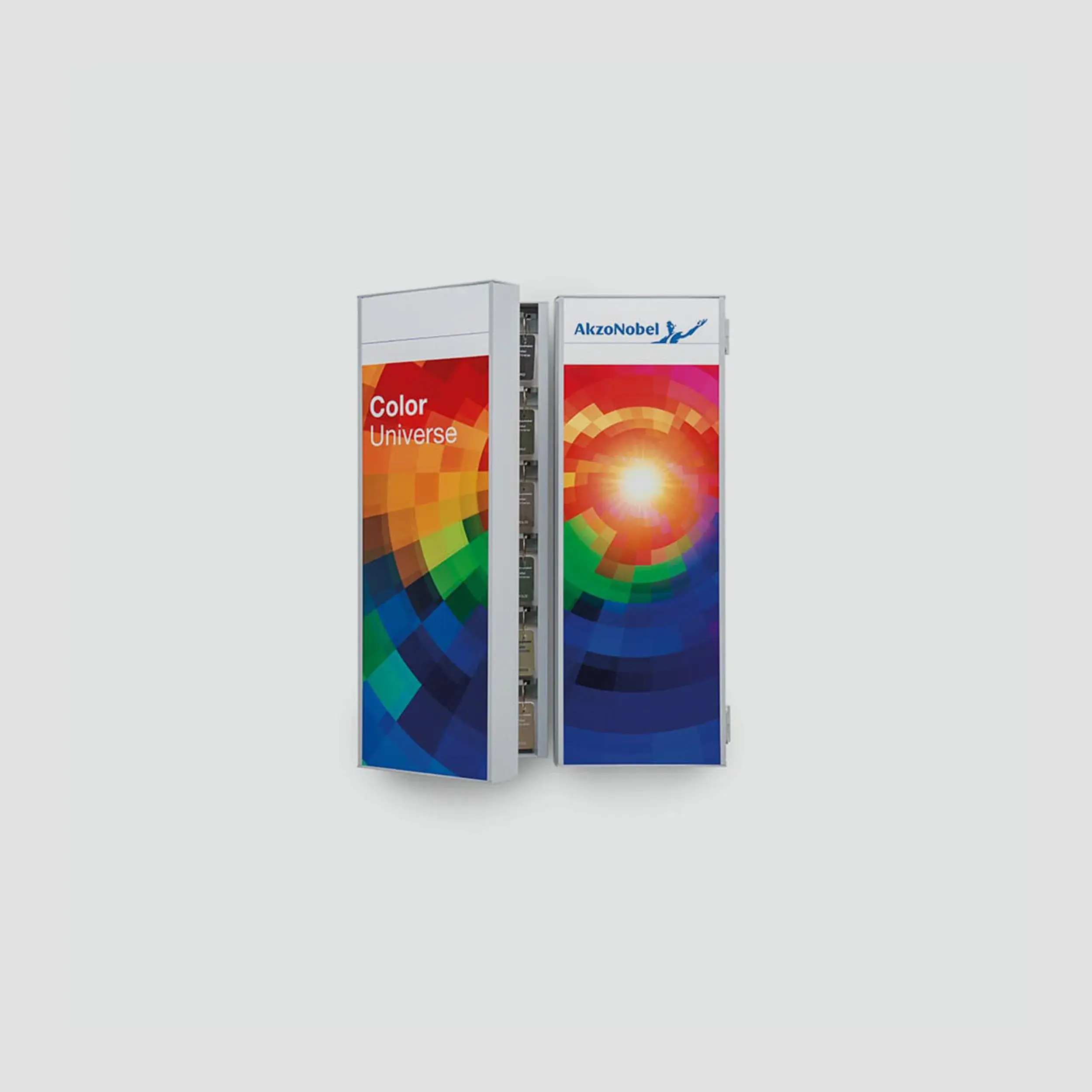
Color Universe: half the price
The color display redesigned for manufacturability and injection molded in-house. Result: 50 percent lower costs with the same look and function.
Read the case study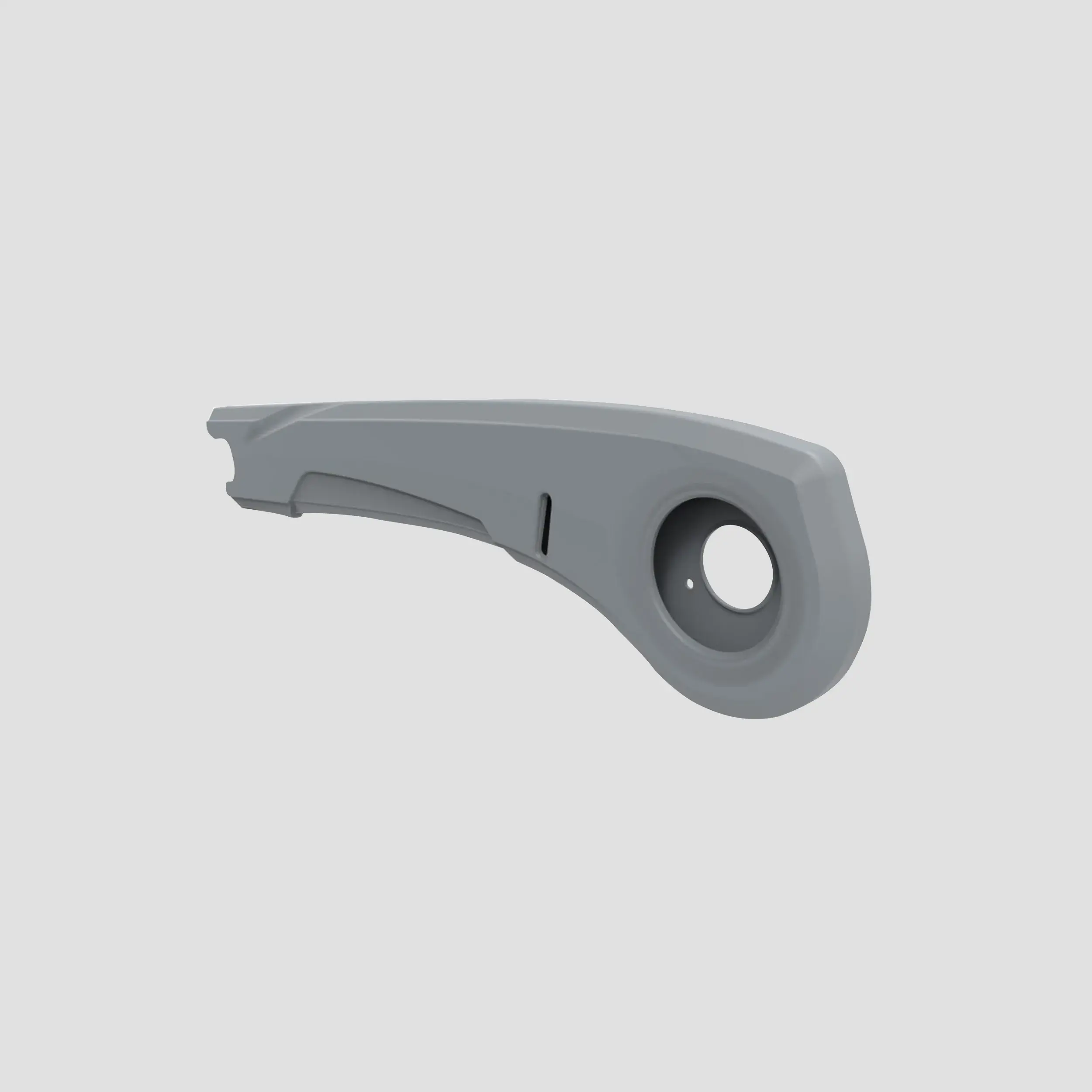
Cost price reduction by injection molding
The chain guard converted to injection molding, at a fraction of the old unit price.
Read the case study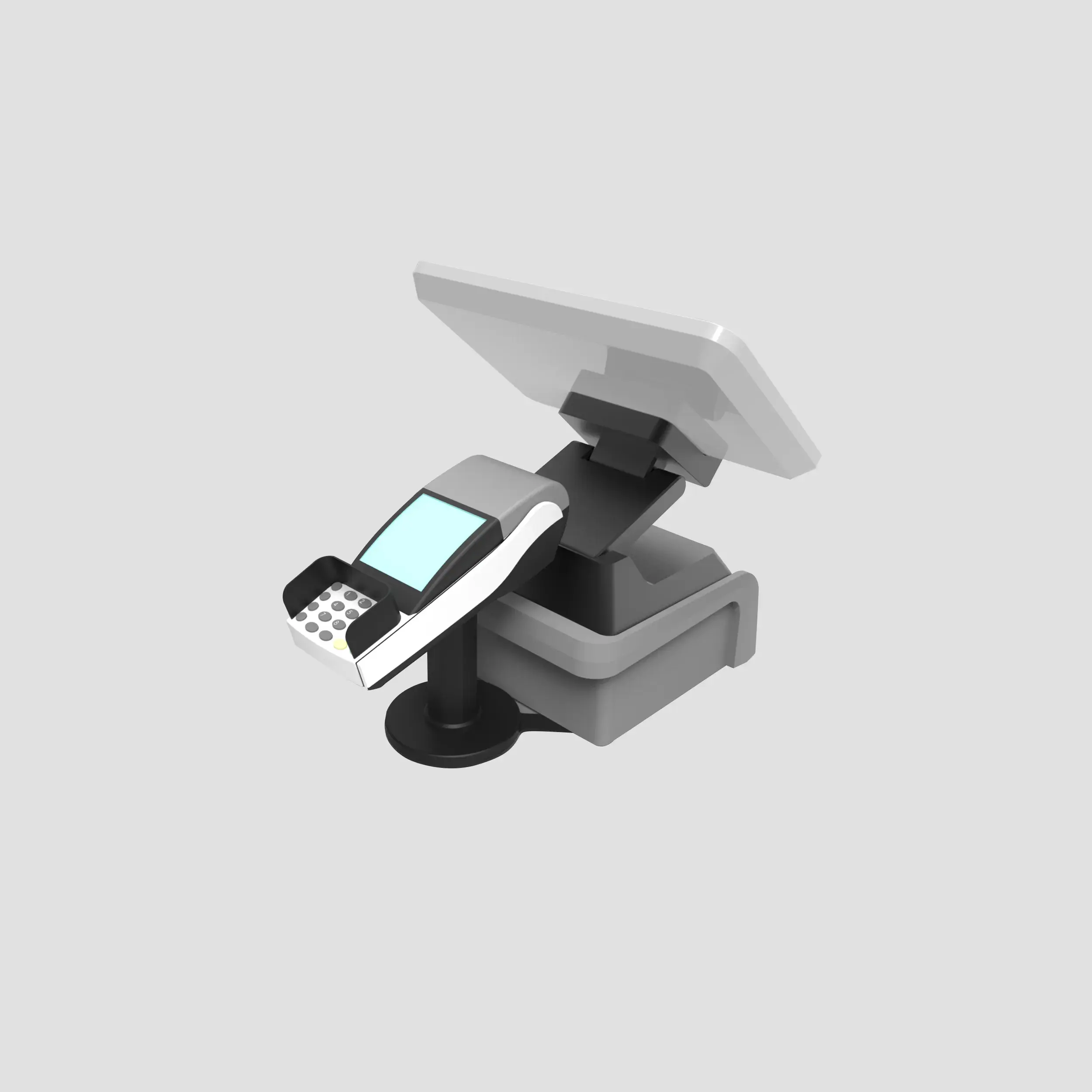
From steel to plastic, faster deployable
Material switch that lowered costs and reduced lead time.
Read the case studySee all cases from all projects and sectors.
Reducing the cost price in brief
How much can I save on the unit price?+
That differs per product, but DfM iterations typically save 10 to 30 percent on the unit price through smarter wall thickness, fewer parts and simpler assembly. We first map the potential before we promise anything.
Will I lose quality if I reduce costs?+
No. A good cost-down takes costs out of the design, not out of the quality. By designing smarter and choosing the right material, the unit price drops while the quality remains the same or increases.
Where exactly are the savings?+
In four levers: fewer and integrated parts, a thinner but smarter wall thickness, a better-matching material, and production without intermediary in our own factory on energy-saving machines.
Is my run big enough for cost-down?+
Often yes. The sweet spot is between 500 and 20,000 units per run. The higher the volume, the faster an investment in a smarter design or mold pays for itself. With the calculator you see that effect directly.
Take costs out of your product
Calculate your mold and unit price in 2 minutes, or schedule a non-binding brainstorm with our engineers.