Injection molding / Injection molding materials / PHA
Material
PHA (Polyhydroxyalkanoates): biodegradable and sustainable
PHA is a biodegradable and environmentally friendly material, produced from natural bacterial fermentation of plant-based raw materials. Combines good mechanical properties with compostability.
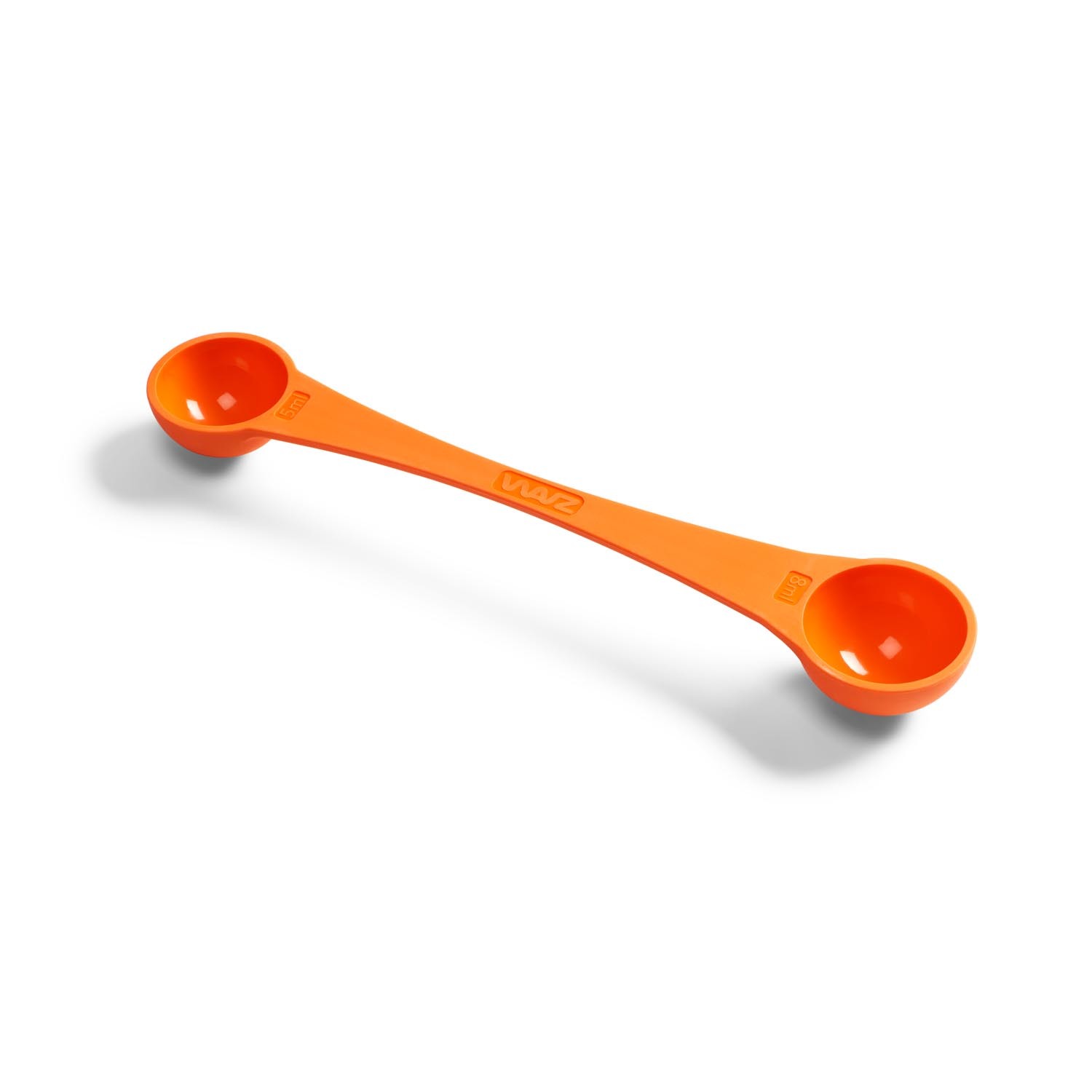
Key properties
- Biodegradable in soil and water, without microplastics.
- Produced from renewable plant-based raw materials.
- Good mechanical strength and toughness, comparable to PP.
- Water- and moisture-resistant.
- Compostable in both industrial and home composting systems.
Mechanical properties (indicative values)
| Property | Value |
|---|---|
| Density | 1.20-1.25 g/cm³ |
| Tensile strength | 20-40 MPa |
| E-modulus (tensile) | 1000-3500 MPa |
| Elongation at break | 5-15% |
| HDT @1.8 MPa | 60-120 °C |
| Shrinkage | 1,0-2,0% |
| Processing temperature | 160-180 °C |
Indicative values for standard, unfilled grades. For a definitive material choice, always consult the supplier datasheet (TDS) of the specific grade.
Applications
- Packaging industry: compostable food packaging
- Consumer products: biodegradable cups and plates
- Medical applications: biocompatible packaging
- Agricultural sector: plant pots and mulch films
Why choose PHA?
QDP works for PHA with Bluepha (TÜV and EFSA certified, marine and compost biodegradable). For PHA, the material price is usually the bottleneck for adoption, not the technology: we always discuss this early in the process.
See the full materials overview or the DfM-pillar.
What does this mean for your design?
Calculate your mold and unit price in 2 minutes, or ask our engineers for a DfM check.