Skip to content

Injection molding / Injection molding materials / PA6 GF30

Material

PA6 GF30 (Polyamide 6 with 30% glass fiber): reinforced with glass fiber for extra strength

PA6 GF30 is a variant of PA6 reinforced with 30 percent glass fiber: extra stiff, strong, and temperature-resistant. Ideal for structural and mechanical applications in automotive and industry.
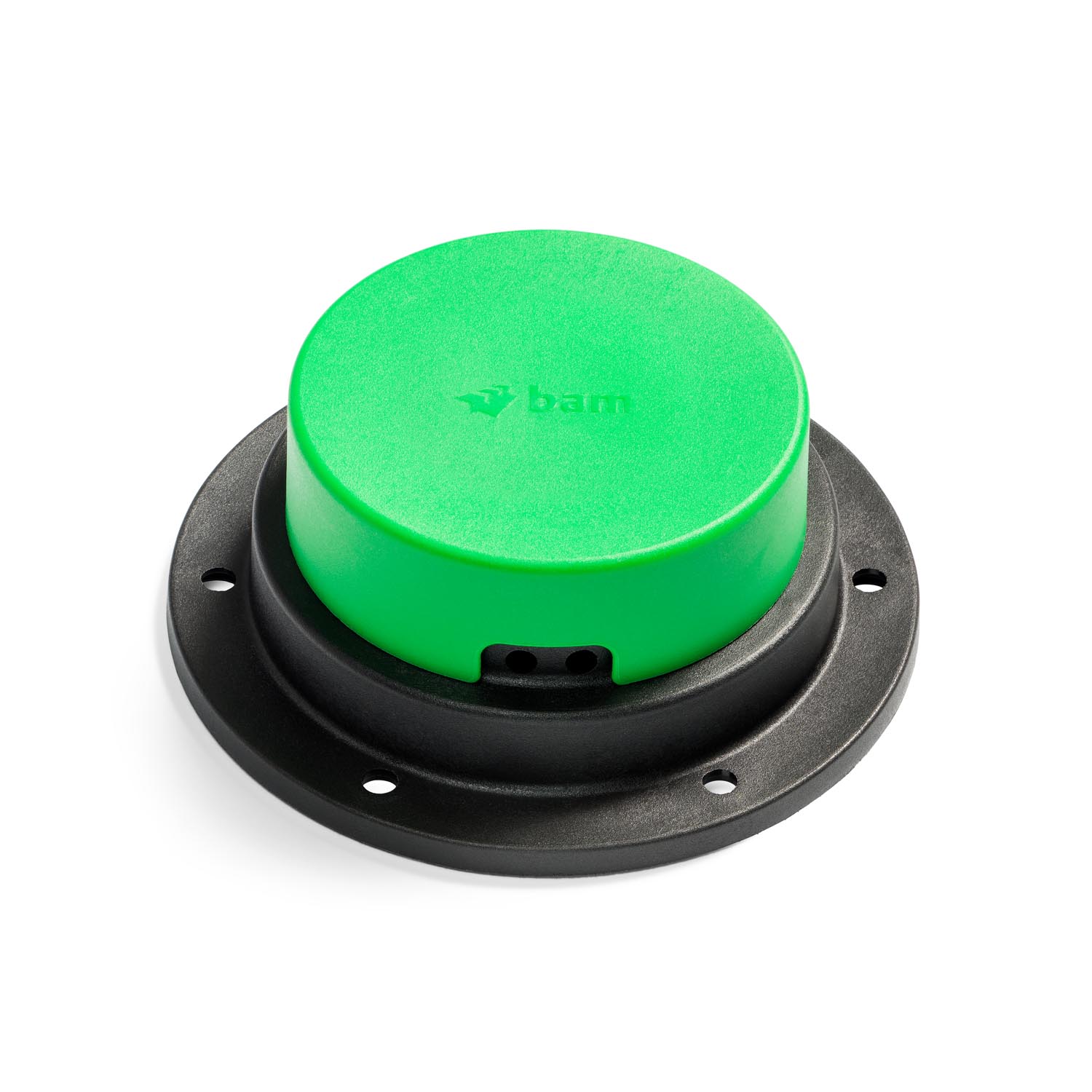
Example of an injection molded plastic part, QDP product photography

Key properties

  • Increased mechanical strength and stiffness due to the glass fiber reinforcement.
  • Excellent dimensional stability: minimal shrinkage and distortion.
  • Good thermal stability, even at elevated temperatures.
  • Chemical resistance to oils, greases, and fuels.
  • Note: the glass fibers can have an abrasive effect on moving contact surfaces.

Mechanical properties (guideline values)

PropertyValue
Density1.35-1.37 g/cm³
Tensile strength170-185 MPa
E-modulus (tensile)8500-9500 MPa
Elongation at break3-4%
HDT @1.8 MPa200-215 °C
Shrinkage0,3-0,6*%
Processing temperature270-290 °C

Guideline values for standard, unfilled grades. For a final material choice always consult the supplier’s datasheet (TDS) of the specific grade.

Applications

  • Automotive: engine housings, pedals, and structural components
  • Mechanical engineering: gears, bearings, and machine components
  • Electronics: enclosures with thermal load
  • Consumer goods: tool handles and sports equipment

Why choose PA6 GF30?

Where PA6 is just not stiff enough, GF30 gives the structural margin without switching to a more expensive material. * shrinkage is anisotropic: lower in fiber direction, higher crosswise.

View the complete materials overview or the DfM pillar.

Frequently asked questions about PA6 GF30

What is PA6 GF30?

PA6 GF30 is polyamide 6 with 30 percent short glass fibers in it. Those fibers make the material much stiffer and stronger: the tensile strength goes from approximately 75 to over 170 MPa and the heat distortion temperature from about 60 degrees to above 200. This makes it one of the strongest materials that can normally be injection molded. The trade-off is that it becomes more brittle. QDP uses it where the construction truly requires stiffness.

What does 30 percent glass fiber do to the properties?

Four things at once. The material becomes much stiffer and stronger, heat distortion temperature increases considerably, shrinkage drops to 0.3 to 0.6 percent, and elongation at break drops to 3 to 4 percent. The latter is the downside: the part no longer flexes but breaks. The surface also gets more matte and rough, as the fibers appear at the surface. QDP weighs this trade-off for each part.

Why does glass fiber reinforced material shrink unevenly?

Because the fibers rotate along in the flow direction during filling. In that direction they block the material so it shrinks little, perpendicular it shrinks much more. This is called anisotropic shrinkage and is the main reason a large flat part can warp. The location of the gate thus determines the shape of the product. QDP verifies this with a flow simulation before the mold is made.

Does a mold wear faster because of glass fiber?

Yes, and this is a cost factor often overlooked. The fibers act as an abrasive on the steel, especially at the gate and where the flow accelerates. A mold for glass fiber reinforced material is therefore made of harder steel, making the mold more expensive but maintaining its lifespan. QDP chooses the steel type based on the material and expected quantities.

What is PA6 GF30 used for?

For structural parts that have to make do without metal: brackets and supports under the hood, electric tool housings, pump parts, and frames and clamps in machine engineering. Anywhere stiffness, strength, and heat come together and the weight of steel or aluminum is no longer suitable. Note that the part cannot be required to flex or bend, as this material is too brittle. QDP uses it in metal-to-plastic replacement cases.

What does this mean for your design?

Calculate your mold and unit price in 2 minutes, or ask our engineers for a DfM check.

500+ manufacturing companies in the Netherlands, Belgium and Germany chose QDP

PhilipsAkzoNobelVan RaamMobilaneVan GelovenDeVi-GroupGIZMO DesignWaste VisionPure ValueHoeflakeSenza TeaPin-LockSparqDamtechProtee UnitedLayherHulshof
Calculate your price